
Introduction
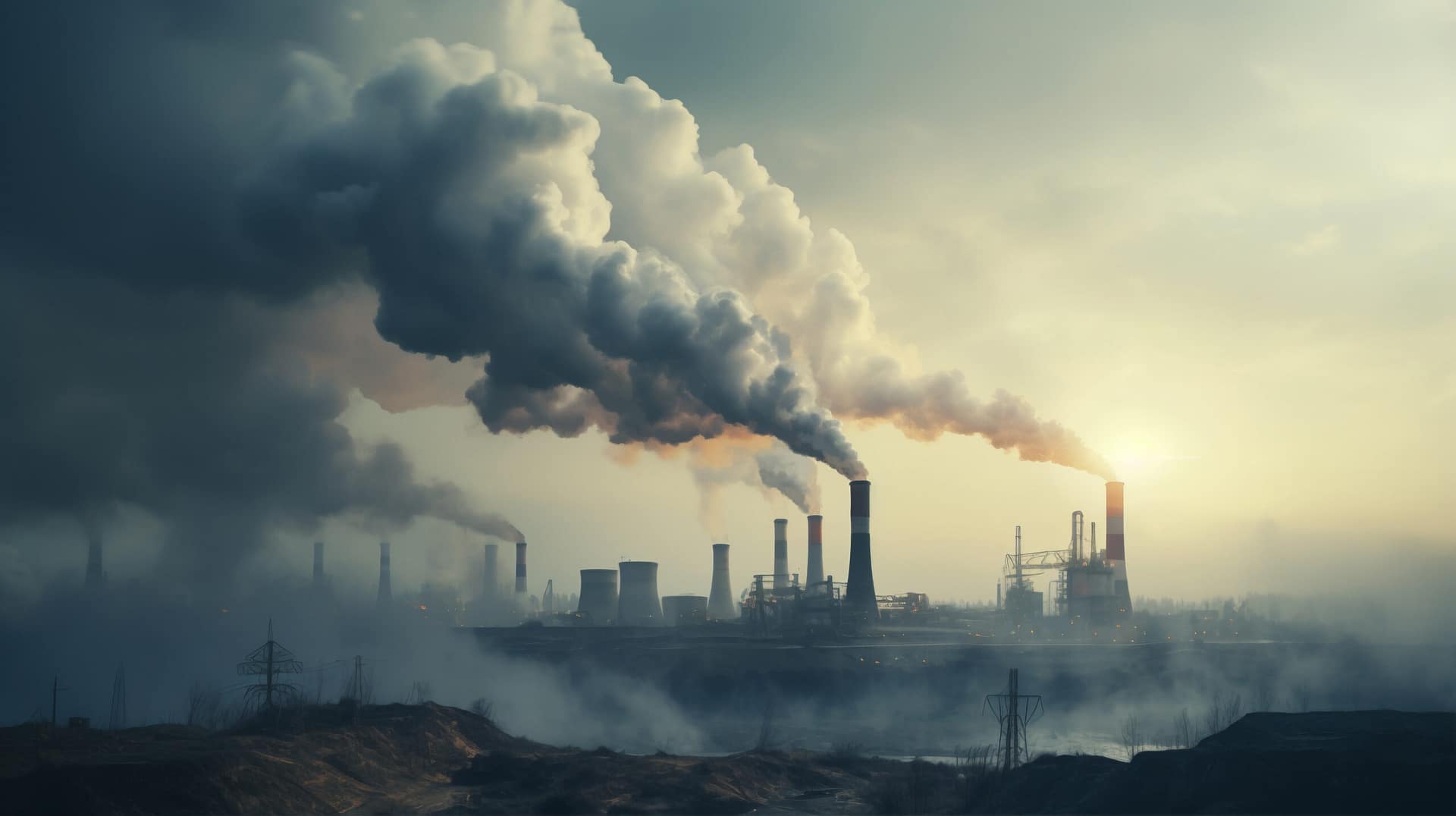
Every winter, Delhi turns into a hazy bowl of smog that chokes the lungs and clouds the skyline. Residents often wake up coughing, with irritated throats and heavy chests. The Air Quality Index (AQI) soars to “severe” levels, and outdoor activities come to a halt.
But beyond daytime breathing troubles, smog also takes a silent toll at night — disrupting sleep, worsening snoring, and intensifying conditions like sleep apnea.
If you find yourself waking up tired, gasping for air, or struggling with wheezing, it’s time to talk to a pulmonologist doctor near me.
What Causes Seasonal Smog in Delhi?
Smog is a mixture of fog, dust, and pollutants like PM2.5, PM10, carbon monoxide, and nitrogen dioxide. In Delhi, smog formation intensifies between October and January due to several reasons:
- Crop Burning: Farmers in neighboring states burn leftover stubble, releasing vast amounts of particulate matter.
- Vehicle Emissions: Delhi’s heavy traffic contributes to nitrogen oxides and carbon monoxide.
- Construction Dust: Ongoing projects release fine dust that remains trapped in cold air.
- Low Wind Speed & Temperature Inversion: These weather conditions prevent pollutants from dispersing, trapping smog close to the ground.
This toxic mix makes Delhi’s air one of the most hazardous in the world during winter.
How Smog Affects Breathing
The impact of smog on your lungs is severe, especially for people with respiratory issues. PM2.5 particles are tiny enough to travel deep into your lungs and bloodstream, causing inflammation and reducing oxygen absorption.
1. Asthma Flare-ups
Asthma patients experience frequent attacks due to air irritants. Symptoms include wheezing, chest tightness, and breathlessness. The best asthma specialists in Delhi recommend staying indoors and using prescribed inhalers during high smog periods.
2. COPD and Chronic Cough
For patients with Chronic Obstructive Pulmonary Disease (COPD), smog can worsen symptoms, leading to persistent coughing and fatigue.
3. Throat and Nasal Irritation
Even healthy individuals experience sore throats, sinus irritation, and sneezing during smoggy months due to constant exposure to dust and pollutants.
4. Reduced Lung Function
Prolonged exposure to high AQI can permanently reduce lung function — especially in children and the elderly. Consulting a respiratory disease specialist in Delhi for regular lung check-ups is highly advised.
The Connection Between Smog and Sleep
While smog’s effect on breathing is obvious, its impact on sleep quality is less known but equally harmful. Here’s how:
1. Worsening Sleep Apnea
Smog increases airway inflammation and nasal blockage, making it harder to breathe at night. For people with sleep apnea, this means more frequent interruptions in breathing and poor-quality sleep.
2. Snoring and Congestion
Polluted air can cause nasal swelling and congestion, leading to loud snoring and restless nights.
3. Reduced Oxygen Levels
When air quality drops, so does the oxygen content in the environment. This can lead to shallow breathing and lower oxygen saturation during sleep, resulting in fatigue and morning headaches.
4. Poor Sleep Quality and Mental Fatigue
Interrupted sleep due to breathing difficulties causes irritability, brain fog, and weakened immunity — a dangerous combination during winter pollution spikes.
Common Symptoms You Shouldn’t Ignore
If you experience these symptoms during Delhi’s smog season, it’s time to consult the best pulmonologist in South Delhi:
- Persistent cough or wheezing
- Shortness of breath or chest tightness
- Fatigue after a full night’s sleep
- Snoring or waking up gasping for air
- Recurrent throat or sinus infections
How Pulmonologists Help During Smog Season
A pulmonologist doctor near me can diagnose the exact cause of your symptoms and suggest targeted treatments. Here’s how they help:
1. Lung Function Testing
Pulmonologists perform spirometry and oxygen saturation tests to assess how smog has affected your lung capacity.
2. Personalized Asthma or COPD Treatment
They prescribe inhalers, nebulizers, or oxygen therapy tailored to your condition and exposure levels.
3. Sleep Studies for Sleep Apnea
If you experience disturbed sleep or heavy snoring, a sleep study can help diagnose obstructive sleep apnea (OSA). Early detection ensures effective treatment using CPAP machines or oral devices.
4. Preventive Counseling
Expert advice on air purifier usage, mask selection, and home ventilation helps reduce exposure and maintain lung health.
Protective Tips During Delhi’s Smog Season
✅ Monitor AQI Daily: Use apps like SAFAR or AirVisual to track pollution levels.
✅ Use N95/N99 Masks: They filter out harmful particles effectively.
✅ Stay Indoors: Especially during early mornings and late evenings when pollution peaks.
✅ Use HEPA Air Purifiers: Maintain clean indoor air, especially in bedrooms.
✅ Hydrate Well: Fluids help flush toxins and soothe irritated airways.
✅ Strengthen Immunity: Eat antioxidant-rich foods like turmeric, ginger, and citrus fruits.
✅ Consult Experts: Visit a pulmonologist in Delhi for preventive medications or breathing therapies.
Why Choose Dr. Dixit Thakur for Smog-Related Breathing Issues
Dr. Dixit Thakur, a renowned pulmonologist and respiratory disease specialist in South Delhi, has years of experience managing pollution-induced lung conditions.
He specializes in:
- Asthma management and long-term care
- Sleep apnea diagnosis and treatment
- Critical care and COPD management
At Care Hospital, South Delhi, Dr. Thakur provides advanced diagnostics and patient-centered treatment plans to help you breathe better — even in Delhi’s toughest air conditions.
Conclusion
Delhi’s seasonal smog is more than just a weather inconvenience — it’s a health emergency. It affects your breathing, disrupts your sleep, and can cause long-term lung damage. Awareness, prevention, and timely medical intervention are key.
If you find it difficult to breathe, wake up feeling exhausted, or notice worsening asthma symptoms, don’t ignore them. Consult Dr. Dixit Thakur, one of the best pulmonologists in South Delhi, for comprehensive lung and sleep health care.
Breathe safe. Sleep well. Stay healthy. 🌫
FAQ- Seasonal Smog in Delhi: How It Affects Breathing and Sleep Quality
- Q1. Why does smog increase during winter in Delhi?
Smog increases due to crop burning, vehicle emissions, and cold weather trapping pollutants near the ground, creating hazardous air.
- Q2. How does smog affect breathing?
Smog irritates airways, causes inflammation, and reduces oxygen intake. It worsens asthma, COPD, and chronic cough. Consult a pulmonologist doctor near me if symptoms persist.
- Q3. Can smog affect my sleep?
Yes. Smog worsens nasal congestion and sleep apnea, causing snoring, interrupted sleep, and morning fatigue. Seek sleep apnea treatment in Delhi for relief.
- Q4. How can I protect myself from smog exposure?
Use N95 masks, air purifiers, avoid outdoor activities during high AQI, and stay hydrated. Regular check-ups with a respiratory disease specialist in Delhi help prevent complications.
- Q5. Who is the best pulmonologist in South Delhi for smog-related issues?
Dr. Dixit Thakur, an expert asthma and sleep apnea specialist in Delhi, provides advanced care for breathing and pollution-related disorders.