
Introduction
We often think of outdoor pollution as the main enemy of our lungs—traffic smog, industrial smoke, and city dust. But what if the air inside your home is just as harmful? Studies show that indoor air pollution can sometimes be 2–5 times higher than outdoor pollution levels.
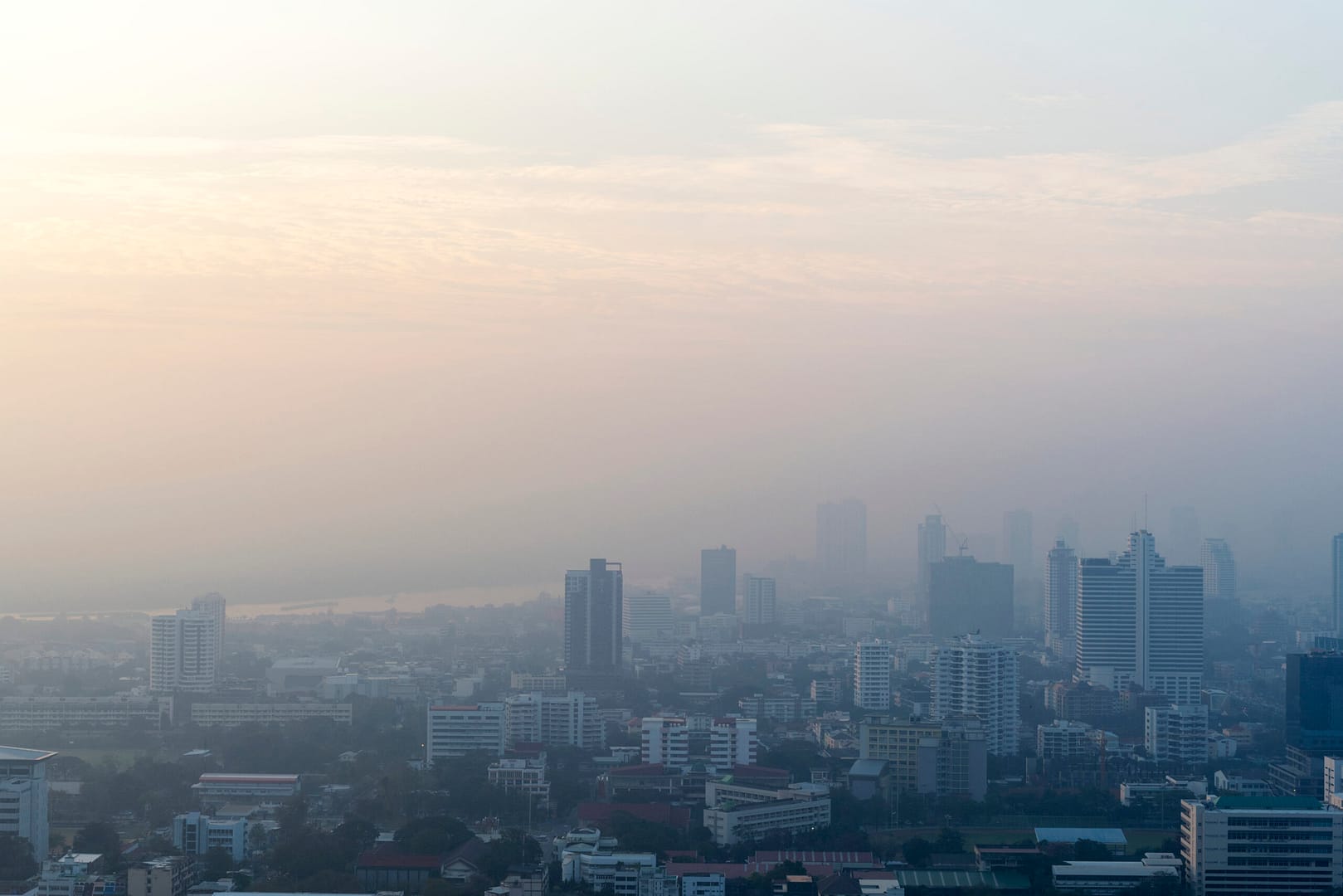
For residents of Delhi, where the Air Quality Index (AQI) regularly crosses dangerous levels, staying indoors might seem safe. However, invisible pollutants inside homes can silently trigger allergies, asthma, and chronic respiratory problems. If you’re often coughing, sneezing, or feeling breathless indoors, it may be time to consult a pulmonologist doctor near me for a proper lung check-up.
What Causes Indoor Air Pollution?
Indoor air pollution arises from everyday activities and materials we rarely suspect. Some common culprits include:
1. Cooking Smoke & Gas Stoves
Burning LPG or kerosene releases harmful gases like carbon monoxide and nitrogen dioxide. Poor ventilation makes these pollutants linger, affecting your lungs over time.
2. Household Cleaning Products
Many cleaners, air fresheners, and sprays contain volatile organic compounds (VOCs) that irritate the respiratory tract.
3. Cigarette Smoke
Tobacco smoke contains over 7,000 chemicals—many of which are carcinogenic. Even second-hand smoke increases the risk of asthma and lung infections.
4. Pet Dander and Dust Mites
Pets and unclean surfaces collect allergens that can worsen breathing for asthma patients.
5. Mold and Dampness
Damp walls and leaking pipes promote mold growth, releasing spores that can trigger chronic cough and respiratory infections.
6. Poor Ventilation
Homes sealed tightly to keep pollution out often trap contaminants inside, creating a “toxic bubble.”
How Indoor Pollution Affects Your Lungs
The impact of indoor pollutants is long-term and often underestimated. According to top respiratory disease specialists in Delhi, the most common effects include:
1. Asthma Triggers
Indoor irritants like dust mites, smoke, and chemical fumes can worsen asthma symptoms. Regular cleaning and using air purifiers are essential for prevention.
2. Allergic Reactions
Sneezing, watery eyes, and nasal congestion are often signs of poor indoor air quality. Over time, this can lead to chronic sinusitis or allergic bronchitis.
3. Chronic Obstructive Pulmonary Disease (COPD)
Exposure to indoor pollutants, especially from cooking or smoking, increases the risk of COPD—a condition that restricts airflow and causes breathlessness.
4. Sleep Apnea Worsening
Polluted indoor air can make breathing more difficult at night, worsening sleep apnea symptoms. Patients often wake up gasping for air or feeling unrested.
5. Reduced Lung Capacity in Children
Children spend most of their time indoors. Poor indoor air quality can slow their lung development, making them prone to asthma later in life.
Is Indoor Air Safer Than Outdoor Air?
Not necessarily. While outdoor air pollution is more visible, indoor pollution can be more concentrated. In Delhi, even with high outdoor AQI levels, closing windows doesn’t always protect you. Pollutants like PM2.5 easily seep indoors through gaps, and indoor sources continuously add more.
That’s why many patients visiting the best pulmonologist in South Delhi complain of chronic cough or wheezing despite spending most of their time indoors.
How to Identify Poor Indoor Air Quality
You might not see pollutants, but your body gives clues. Look for these warning signs:
- Frequent coughing or throat irritation
- Headaches or dizziness
- Fatigue or disturbed sleep
- Shortness of breath or chest tightness
- Dust build-up despite regular cleaning
If these symptoms persist, schedule a consultation with a pulmonologist doctor near me for lung function testing.
Tips to Improve Indoor Air Quality
1. Ensure Proper Ventilation
Open windows during early morning hours when pollution is lower. Use exhaust fans in the kitchen and bathrooms.
2. Use Air Purifiers
Choose HEPA filter-based purifiers that remove PM2.5 particles effectively.
3. Avoid Indoor Smoking
Create a strict no-smoking policy inside your home.
4. Reduce Chemical Cleaners
Switch to natural cleaners like vinegar, baking soda, and lemon.
5. Add Air-Purifying Plants
Plants like snake plant, peace lily, and aloe vera help reduce VOCs naturally.
6. Keep Humidity in Check
Use dehumidifiers to prevent mold and mildew growth.
7. Regular Maintenance
Clean AC filters and replace purifier filters periodically.
When to Consult a Pulmonologist
If lifestyle changes don’t improve your symptoms, it’s time to visit an expert. A pulmonologist in Delhi can perform lung function tests (spirometry) and recommend appropriate treatment, including:
- Inhalers or nebulizers for asthma control
- Allergy medications for chronic respiratory irritation
- Sleep studies for patients with sleep apnea
- Preventive care plans for those exposed to pollutants
Dr. Dixit Thakur, one of the best pulmonologists in South Delhi, specializes in managing asthma, COPD, and pollution-related lung issues. His patient-focused approach at Care Hospital ensures comprehensive evaluation and personalized treatment plans.
Preventive Lifestyle Habits for Healthy Lungs
- Eat antioxidant-rich foods (turmeric, ginger, leafy greens).
- Stay hydrated to help expel toxins.
- Practice deep-breathing or yoga exercises to strengthen your lungs.
- Get vaccinated for flu and pneumonia.
- Schedule annual check-ups with a respiratory disease specialist in Delhi.
Conclusion
You might think home is a safe haven from Delhi’s polluted air, but indoor pollutants can be equally harmful. From cleaning sprays to cooking smoke, your home’s air could silently damage your lungs. Regular maintenance, air purification, and awareness can make your indoor environment healthier.
If you or your family members experience recurring breathing issues, don’t ignore the signs. Visit a pulmonologist doctor near me or consult Dr. Dixit Thakur, a leading respiratory specialist in South Delhi, to protect your lungs from the invisible dangers lurking indoors.
Breathe clean. Live better. 🌿
FAQ - Indoor Air Pollution: Is Your Home’s Air Healthier Than Outside?
- Q1. What causes indoor air pollution in Delhi homes?
Indoor air pollution comes from cooking fumes, cigarette smoke, cleaning products, and poor ventilation. These pollutants can harm your lungs over time.
- Q2. Is indoor air safer than outdoor air in Delhi?
Not always. Indoor air can trap PM2.5 and VOCs, making it 2–5 times more polluted than outdoor air. Regular ventilation and air purifiers are essential.
- Q3. What are the health effects of indoor air pollution?
It can cause asthma, allergies, COPD, and chronic coughing. Consult the best pulmonologist in South Delhi for proper diagnosis and treatment.
- Q4. How can I check my indoor air quality?
Use air quality monitors or note symptoms like frequent coughing, fatigue, or sinus irritation. If these persist, visit a pulmonologist doctor near me.
- Q5. Who is the best doctor for indoor pollution-related asthma in Delhi?
Dr. Dixit Thakur, a renowned pulmonologist and respiratory disease specialist in Delhi, provides advanced treatment for asthma and lung disorders.