
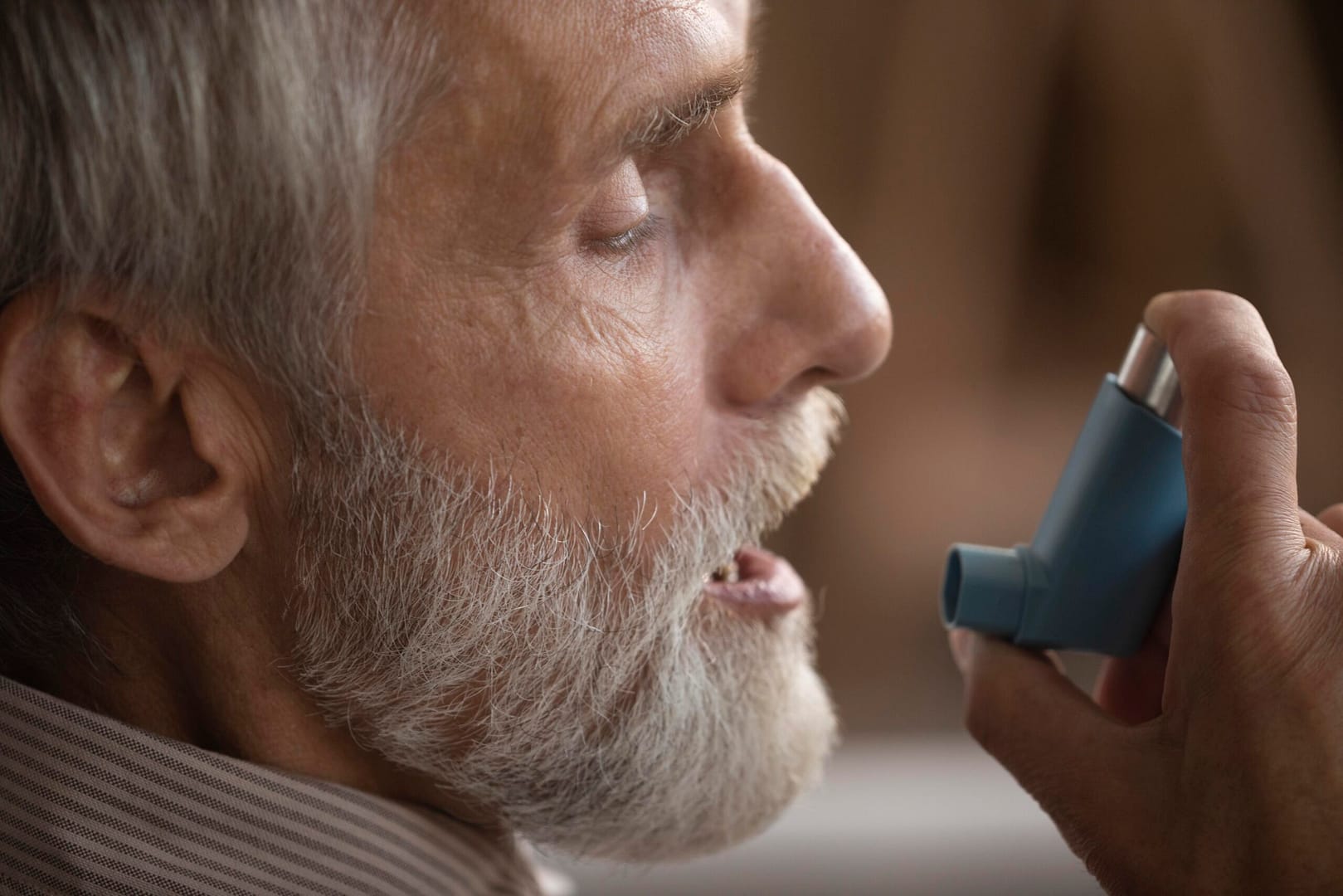
Introduction: Breathing in Delhi’s Polluted Air – A Growing Health Emergency
Every winter, Delhi and many other Indian cities are blanketed by a dense smog that turns breathing into a daily challenge. The Air Quality Index (AQI) often crosses 400, indicating severe pollution levels. Prolonged exposure to such toxic air has led to an alarming rise in respiratory diseases, including asthma, COPD, bronchitis, and even lung cancer.
According to pulmonologists, the number of respiratory patients in Delhi increases by 30–40% during peak pollution months. That’s why understanding prevention and early detection is crucial — especially if you live in areas where AQI regularly hits dangerous levels.
If you’ve been searching for the best pulmonologist in South Delhi or expert guidance on managing your breathing issues, this guide will help you take the right steps to protect your lungs.
How Air Pollution Affects the Lungs
Air pollution consists of microscopic pollutants such as PM2.5, PM10, nitrogen dioxide (NO₂), sulfur dioxide (SO₂), and carbon monoxide (CO). These fine particles are small enough to penetrate deep into the lungs and even enter the bloodstream.
Here’s how they affect your respiratory system:
- Inflammation of airways: Exposure to pollutants causes irritation and swelling of the bronchial tubes.
- Reduced lung function: Over time, pollutants weaken lung capacity and elasticity.
- Increased mucus production: This leads to chronic cough, chest congestion, and breathlessness.
- Aggravation of existing diseases: Patients with asthma or COPD experience frequent attacks.
- Increased infection risk: Polluted air reduces immune function, making lungs vulnerable to infections.
The World Health Organization (WHO) warns that prolonged exposure to polluted air is as dangerous as smoking several cigarettes a day.
Common Respiratory Diseases Caused by Air Pollution
1. Asthma
Air pollution is a major trigger for asthma attacks. Pollutants like PM2.5 and ozone irritate airways, leading to coughing, wheezing, and difficulty breathing. Patients using asthma medications in Delhi often find they need higher doses during smog seasons.
2. Chronic Obstructive Pulmonary Disease (COPD)
COPD is a progressive disease that causes airflow blockage and breathing problems. It’s often seen in smokers, but in Delhi, even non-smokers develop COPD due to long-term pollution exposure. Seeking COPD treatment in Delhi early can help prevent permanent lung damage.
3. Bronchitis and Pneumonia
Pollutants inflame the bronchial tubes, leading to bronchitis, while bacteria thrive in polluted conditions, increasing pneumonia risk — especially in children and the elderly.
4. Allergic Rhinitis and Sinusitis
Pollution particles also irritate nasal passages and sinuses, leading to congestion, sneezing, and headaches.
Who Is Most at Risk?
Certain groups are more susceptible to pollution-related respiratory diseases:
- Children – their lungs are still developing.
- Elderly individuals – reduced immunity and lung strength.
- Asthma or COPD patients – increased sensitivity to air changes.
- Pregnant women – higher risk for complications.
- Outdoor workers – long exposure to polluted air.
If you belong to any of these categories, it’s essential to consult a respiratory disease specialist for preventive screening.
Early Warning Signs of Lung Problems
Pollution-related respiratory issues often begin subtly. Watch for:
- Persistent dry or wet cough
- Shortness of breath
- Chest tightness or pain
- Wheezing sounds while breathing
- Repeated throat or chest infections
- Fatigue or dizziness
If these symptoms persist for more than 10 days, schedule a check-up with the best pulmonologist in South Delhi for proper diagnosis.
Prevention: Protecting Your Lungs in Polluted Environments
😷 1. Use N95 or N99 Masks
Wearing certified masks outdoors can significantly reduce your exposure to harmful particles.
🏠 2. Keep Indoor Air Clean
- Use HEPA air purifiers.
- Avoid burning incense or candles.
- Ventilate during times when AQI is moderate (midday).
- Keep houseplants like peace lily and spider plant that absorb toxins.
🥗 3. Eat Lung-Friendly Foods
Foods rich in antioxidants, omega-3s, and vitamins C and E help fight inflammation:
- Turmeric, ginger, and garlic
- Citrus fruits and leafy greens
- Almonds and walnuts
- Green tea
💧 4. Stay Hydrated
Drinking water and herbal teas helps flush toxins from the respiratory tract.
🧘♀️ 5. Practice Deep Breathing
Regular pranayama or breathing exercises like Anulom Vilom and Bhramari can strengthen lung capacity and reduce stress.
🚭 6. Avoid Smoking and Passive Smoke
Tobacco smoke multiplies the harmful effects of air pollution and accelerates respiratory decline.
🩺 7. Get Vaccinated
Flu and pneumonia vaccines are highly recommended, especially for those with asthma or COPD.
Early Detection: Why Timely Diagnosis Matters
Most respiratory diseases can be managed effectively if detected early. Pulmonologists use diagnostic tools such as:
- Spirometry: Measures how well your lungs work.
- Chest X-ray / CT Scan: Detects infections or inflammation.
- Allergy tests: Identifies environmental triggers.
- Blood oxygen monitoring: Checks oxygen absorption levels.
Getting regular lung check-ups with a pulmonologist, especially during winter and post-Diwali, can prevent complications.
What Pulmonologists Recommend
Dr. Dixit Thakur, one of the best pulmonologists in South Delhi, emphasizes:
“Air pollution isn’t just an outdoor threat anymore — it’s a silent, daily exposure that affects even healthy individuals. Regular monitoring, lifestyle care, and early medical intervention are the keys to prevention.”
A pulmonologist will not only treat existing conditions but also:
- Customize asthma or COPD treatment plans
- Recommend inhalers or medications suited to your condition
- Suggest lung detox routines and preventive care
- Monitor long-term lung health
Treatment Options for Respiratory Patients
Asthma Medications in Delhi
Common treatments include:
- Inhaled corticosteroids to reduce inflammation
- Bronchodilators for instant relief during attacks
- Allergy management to avoid triggers
COPD Treatment in Delhi
- Nebulization and inhalation therapy to open airways
- Pulmonary rehabilitation for improved breathing
- Oxygen therapy in advanced cases
- Lifestyle changes and air quality management
Early treatment prevents disease progression and improves quality of life.
Lung Detox Tips for Polluted Environments
- Steam inhalation with eucalyptus oil
- Stay active indoors (light exercise boosts lung efficiency)
- Avoid outdoor workouts during high AQI
- Include turmeric, lemon, and honey in your diet
- Keep hydrated to clear mucus buildup
When to Visit a Pulmonologist
You should consult a specialist if you:
- Cough continuously for more than 2 weeks
- Feel breathless even after light activity
- Notice a whistling sound when exhaling
- Have recurring chest infections
Ignoring early signs can lead to irreversible lung damage — timely medical care can prevent complications.
Conclusion: Breathe Smart, Live Better
Delhi’s air may not change overnight, but your habits can. Understanding how pollution impacts your lungs and taking preventive measures can make all the difference.
Whether you need COPD treatment in Delhi, advice on asthma medications, or preventive lung care, consulting the best pulmonologist in South Delhi ensures you receive the most accurate diagnosis and personalized treatment.
Your lungs are your lifelong companions — protect them with awareness, action, and expert care.
FAQs - Air Pollution and Respiratory Diseases: Prevention and Early Detection
- Q1. How does air pollution cause respiratory diseases?
Pollution particles irritate airways, trigger inflammation, and reduce oxygen flow — leading to asthma, COPD, and other lung diseases.
- Q2. How can I prevent pollution-related asthma attacks?
Use prescribed inhalers regularly, avoid outdoor exposure during peak hours, and consult your pulmonologist for preventive therapy.
- Q3. What is the best way to detect early lung problems?
Spirometry and chest scans are reliable tools. If you have persistent cough or breathlessness, get tested immediately.
- Q4. Can air purifiers really help?
Yes, HEPA purifiers remove up to 99% of indoor pollutants and are highly recommended during high AQI days.
- Q5. Where can I get expert COPD treatment in Delhi?
You can visit Pulmo Vista Clinics for comprehensive COPD care from the best pulmonologist in South Delhi, offering advanced diagnostics and personalized plans.