
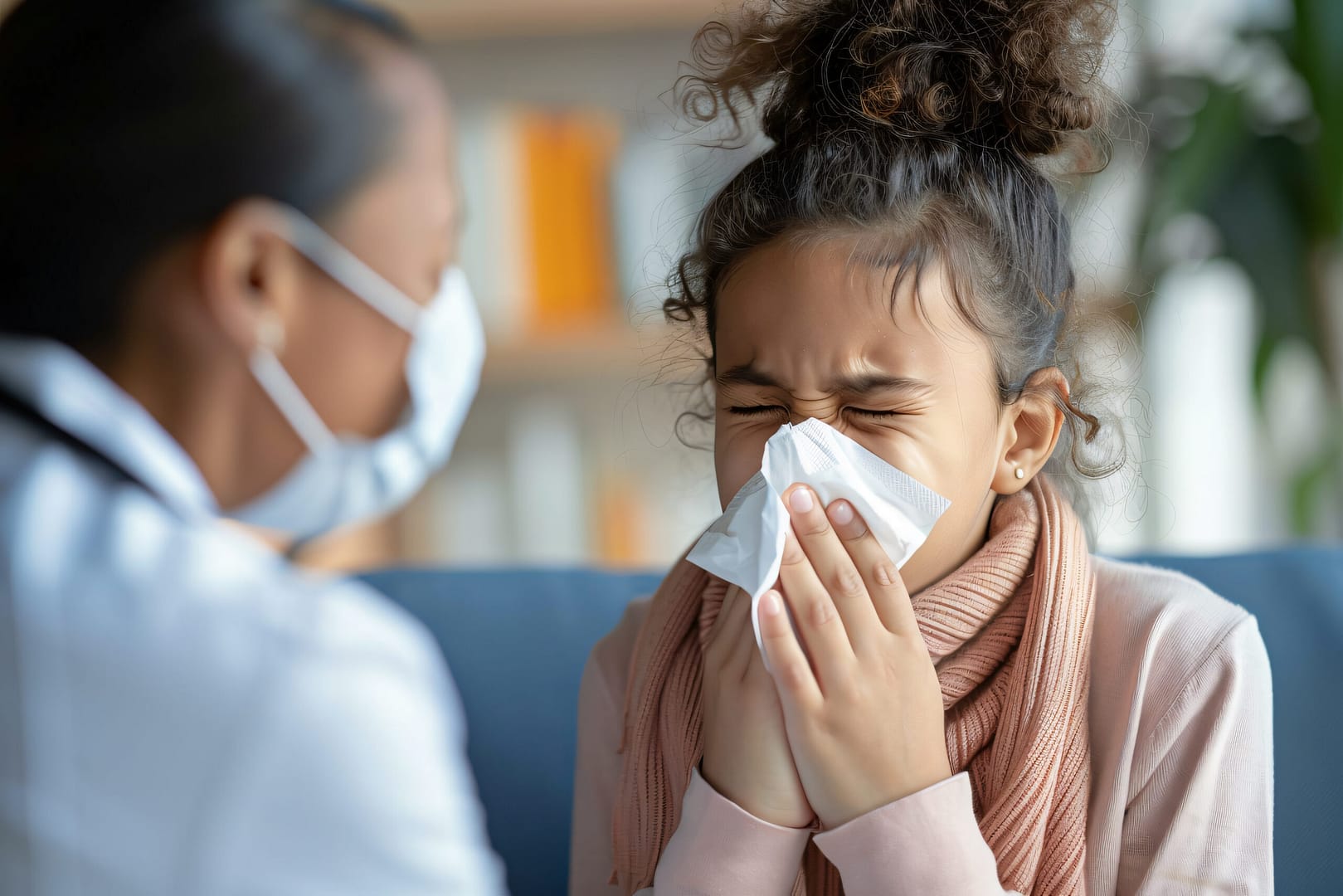
Every winter, Delhi enters a dangerous AQI zone where pollution levels soar to “very poor” and “severe” categories. Thick smog, reduced visibility, and stinging air become a daily reality. But beyond what we see, something far more harmful is happening — your family’s lungs absorb toxic pollutants, including PM2.5 and PM10, which can lead to long-term respiratory disease.
Children, seniors, asthma patients, and people with allergies face the highest risks. During this dangerous period, knowing how to protect your family is essential. If symptoms worsen, searching for a “pulmonologist near me” or consulting a respiratory disease specialist in Delhi becomes urgent.
Why Delhi’s Air Is Dangerous for Your Family
Delhi’s air contains:
- PM2.5 (ultrafine particles that enter the bloodstream)
- PM10
- Nitrogen dioxide
- Carbon monoxide
- Toxins from vehicles, stubble burning, factories, and firecrackers
Exposure causes:
- Breathing difficulty
- Asthma attacks
- Chronic cough
- Sinus irritation
- Eye burning
- Fatigue and headaches
Children breathe more air per kilogram of body weight, making them highly vulnerable. Seniors with weak immunity or heart/lung disease are equally at risk.
Early Symptoms You Should Never Ignore
Your family may show early signs of pollution-related lung stress, such as:
- Dry or persistent cough
- Wheezing
- Chest heaviness
- Shortness of breath
- Burning throat
- Repeated throat infections
- Low stamina
- Trouble sleeping
If these persist, book an appointment with a respiratory disease specialist in Delhi immediately.
How to Keep Your Family’s Lungs Safe During Delhi’s AQI Emergency
1. Monitor AQI Daily and Plan Activities Wisely
Before leaving home, check AQI on apps like AQI India, SAFAR, or Google Weather.
If AQI is above 200:
- Avoid outdoor play for children
- Seniors should remain indoors
- Cancel outdoor workouts
AQI above 400:
This is health emergency level — stay indoors as much as possible.
2. Use N95 or N99 Masks Outdoors
Regular cloth or surgical masks do not filter harmful particles.
For maximum protection:
- Children: KN95 masks
- Adults: N95 or N99
- Seniors: N95 with comfortable straps
Masks should fit snugly around the nose and chin.
3. Make Indoor Air Cleaner and Safer
Your home must become a safe breathing zone.
How to improve indoor air:
- Use HEPA air purifiers
- Keep windows closed during morning/evening
- Avoid incense sticks, candles, room fresheners
- Do wet mopping instead of sweeping
- Keep indoor plants like snake plant, areca palm, aloe vera
Indoor pollution can be just as harmful — especially for infants and seniors.
4. Strengthen Immune & Lung Health with Diet
Include lung-friendly foods in your family’s meals:
Helpful foods:
- Turmeric milk
- Ginger-honey mix
- Amla
- Oranges and lemons
- Spinach and broccoli
- Nuts and seeds
- Warm soups
- Herbal teas
These foods reduce inflammation and support lung detox.
5. Keep Asthma Medicines Updated
If anyone in the family has asthma:
- Keep inhalers accessible
- Use preventer inhalers regularly
- Don’t skip dosage
- Track symptoms daily
If attacks become frequent, consult a specialist offering the best asthma treatment in Delhi for medication adjustment.
6. Protect Seniors With Additional Lung Support
Seniors may experience:
- Breathlessness
- Fatigue
- Irritability
- Sleep difficulties
Help them by:
- Keeping them indoors
- Providing warm, nourishing meals
- Using air purifiers in their rooms
- Encouraging slow breathing exercises
- Avoiding early morning walks
If symptoms worsen, they should visit a pulmonologist near me for immediate evaluation.
7. Practice Daily Breathing Exercises
Simple exercises improve lung strength and oxygen flow.
Recommended techniques:
- Anulom Vilom
- Bhramari
- Pursed-lip breathing
- Diaphragmatic breathing
These are safe for children, adults, and elderly individuals.
8. Hydration Helps Detox the Airways
Pollution dries and irritates the respiratory tract.
Encourage:
- Warm water
- Soups
- Mint or ginger tea
- Coconut water
Hydration helps clear mucus and reduce throat irritation.
When to Consult a Doctor Immediately
Seek medical help if anyone experiences:
- Breathlessness at rest
- Chest pain
- Wheezing
- Blue lips or nails
- Severe cough
- High fever
- Dizziness
- Difficulty speaking full sentences
These may indicate a severe asthma attack, infection, or lung function drop.
Consult the best pulmonologist in South Delhi or search “pulmonologist near me” to get urgent evaluation.
How a Respiratory Disease Specialist in Delhi Helps During Pollution Season
A specialist provides:
- Detailed lung function tests
- Chest X-rays and infection diagnosis
- Inhaler therapy
- Nebulization
- Allergy testing
- COPD care
- Asthma management
- Lung detox guidance
- Preventive medication plans
Early treatment ensures better protection throughout the pollution season.
Conclusion: Protecting Your Family Starts With Awareness
Delhi’s AQI emergency demands action. While you may not control outdoor air quality, you can control how much your family breathes in and how healthy their lungs remain.
Monitor symptoms, take preventive steps, and never delay seeking medical help. If breathing issues persist, consult a respiratory disease specialist in Delhi or a trusted pulmonologist near me.
For asthma patients, the best asthma treatment in Delhi ensures safety, stability, and long-term lung health during these critical months.