
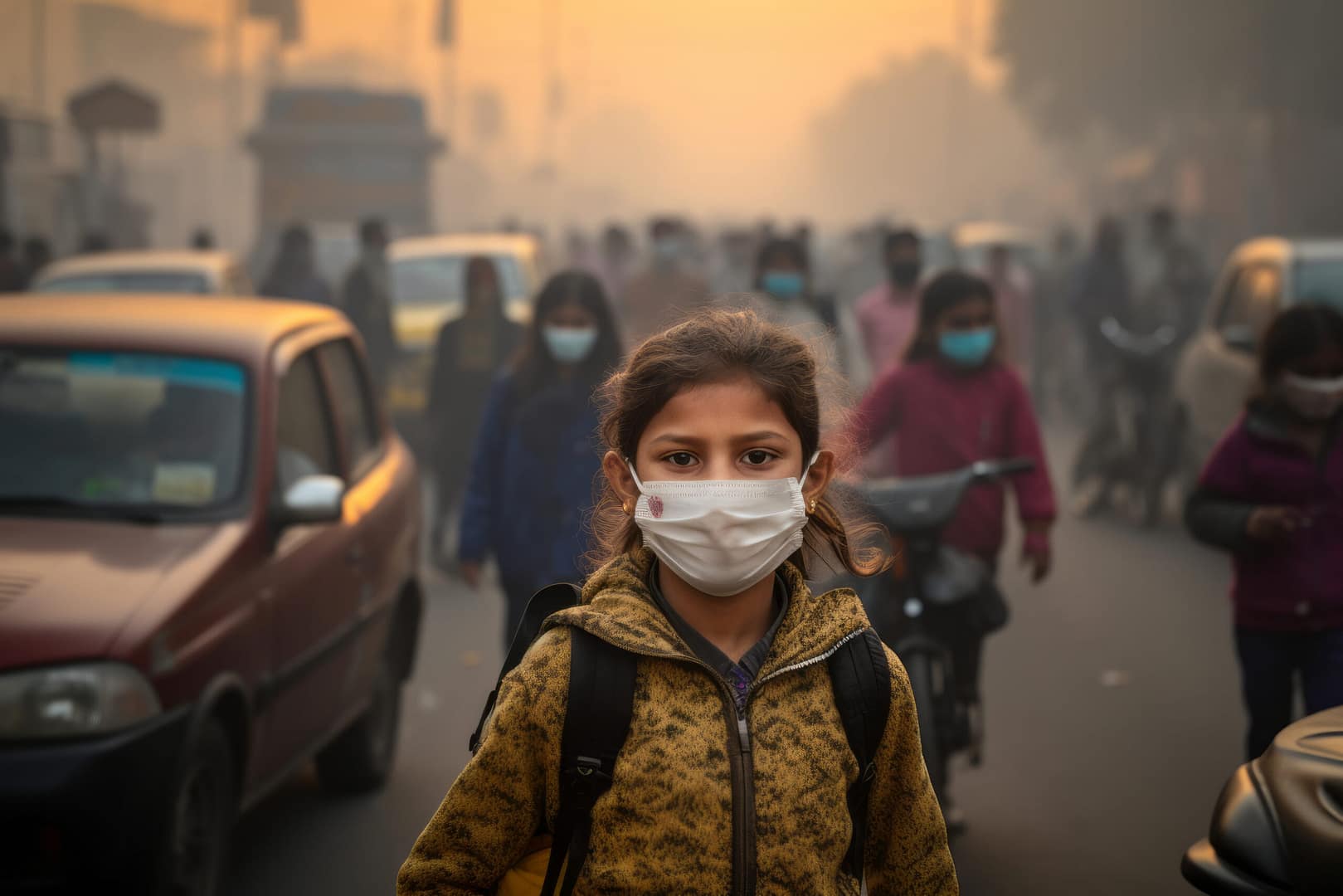
Introduction: Delhi’s Air Pollution Crisis Is Getting Worse
Delhi’s winter smog is a familiar but dangerous reality. The city’s Air Quality Index (AQI) frequently crosses 400–500, signaling severe pollution levels. But the real danger lies in two invisible pollutants: PM2.5 and PM10.
These tiny particles penetrate deep into your lungs, triggering asthma, infections, COPD, and long-term respiratory diseases. If you’ve ever searched for a “pulmonologist doctor near me”, it’s likely because these pollutants are impacting your breathing more than you realize.
This guide will help you understand what PM2.5 and PM10 are, how they harm your lungs, and when to consult a respiratory disease specialist in Delhi.
🌬️ What Exactly Are PM2.5 and PM10?
PM10 – Bigger, But Still Dangerous
- PM10 are airborne particles ≤10 micrometers.
- They include dust, pollen, cement, smoke, and ash.
- They irritate the upper respiratory tract — nose, throat, and bronchi.
PM2.5 – The Real Silent Killer
- These are ultrafine particles ≤2.5 micrometers.
- Origin: vehicle emissions, industrial smoke, firecrackers, biomass burning.
- They penetrate deep into the lungs, reaching the alveoli.
- Can enter the bloodstream, causing systemic inflammation.
Studies show that PM2.5 is responsible for:
- Chronic cough
- Breathlessness
- Asthma flare-ups
- Reduced lung function
- Frequent lung infections
For individuals with existing lung issues, even short exposure can be dangerous. This is where timely consultation with a pulmonologist doctor near me becomes crucial.
🫁 How PM2.5 and PM10 Damage Your Lungs
1. Inflammation of Airways
Pollutants irritate the sensitive lining of your respiratory tract, causing:
- Swelling
- Mucus buildup
- Coughing
- Congestion
2. Triggering Asthma
Both PM2.5 and PM10 worsen asthma symptoms. Patients often require stronger inhalers or expect frequent attacks during high AQI periods.
3. Increasing Lung Infections
Pollution weakens immunity in the lungs, making you more prone to:
- Pneumonia
- Bronchitis
- Viral infections
- Chronic sinus issues
If recurring infections bother you, it’s best to seek lung infection treatment in Delhi early.
4. Worsening COPD Symptoms
For COPD patients, pollutants can cause:
- Severe breathlessness
- Low oxygen levels
- Frequent hospitalization
5. Long-Term Lung Damage
Persistent pollution exposure can lead to:
- Lung scarring
- Reduced lung capacity
- Increased risk of lung cancer
- Cardiovascular strain
Who Is Most at Risk?
- Children
- Elderly individuals
- Asthma patients
- Smokers
- Pregnant women
- People with weak immunity
If anyone in your family falls into these categories, searching for a pulmonologist doctor near me should be a priority during pollution months.
🔍 Early Symptoms of PM2.5 & PM10 Damage
Watch out for:
- Dry or chronic cough
- Wheezing
- Shortness of breath
- Burning throat
- Chest tightness
- Recurring colds or infections
- Fatigue
- Headache or dizziness
If symptoms persist for more than 10 days, visit a respiratory disease specialist in Delhi to rule out early lung damage.
🏥 How Pulmonologists Diagnose Pollution-Related Damage
Your lung specialist may recommend:
- Spirometry (lung function test)
- Chest X-ray / CT Scan
- Pulse oximetry (oxygen levels)
- Allergy profile
- Sputum culture for infections
These tests help detect early inflammation, airway narrowing, or hidden infections.
🛡️ How to Protect Your Lungs from PM2.5 & PM10
😷 1. Wear an N95/N99 Mask Outdoors
Surgical masks do NOT work against PM2.5.
Use certified masks only.
🏠 2. Create a Pollution-Free Home
- Use a HEPA air purifier.
- Keep windows closed during morning and night.
- Avoid dusting without masks.
- Do wet mopping instead of sweeping.
🪴 3. Use Air-Purifying Plants
- Peace lily
- Snake plant
- Areca palm
- Spider plant
These help reduce indoor toxins.
🍊 4. Boost Lung Immunity with Diet
Include:
- Ginger, turmeric, garlic
- Amla, oranges, kiwi
- Nuts and seeds
- Green leafy vegetables
- Herbal teas
💧 5. Stay Hydrated
Water flushes out toxins and keeps airways moist.
🧘♀️ 6. Practice Breathing Exercises
Deep breathing improves lung capacity.
Focus on:
- Anulom Vilom
- Bhramari
- Diaphragmatic breathing
🚭 7. Avoid Smoking
Smoking + polluted air = rapid lung decline.
🫁 When to See a Pulmonologist
Seek immediate help if you experience:
- Breathlessness at rest
- Persistent cough
- Chest pain
- Wheezing
- Repeated infections
- Difficulty sleeping due to breathing issues
Use Google to locate a “pulmonologist doctor near me” and get examined at the earliest.
🏥 Treatment Options by a Respiratory Disease Specialist in Delhi
A specialist may recommend:
- Inhalers (bronchodilators, corticosteroids)
- Nebulizers for acute attacks
- Anti-allergic therapy
- Antibiotics for infections
- Lung detox therapies
- Pulmonary rehabilitation
- Immunity-boosting lifestyle changes
For severe cases, lung infection treatment in Delhi may include advanced diagnostics and hospitalization.
🌿 Lung Detox Tips for Pollution Season
- Steam inhalation with eucalyptus oil
- Saline nasal rinsing
- Warm turmeric milk
- Honey + ginger mix
- Indoor yoga
- Use of HEPA air filters
- Avoid outdoor exercise during morning hours
These natural methods support medical treatment but should not replace doctor consultation.
🧠 Conclusion: Awareness + Action = Healthy Lungs
PM2.5 and PM10 are invisible but extremely harmful pollutants that affect every Delhi resident. The only way to stay safe is through awareness, lifestyle changes, and timely medical intervention.
Whether you need preventive screening or lung infection treatment in Delhi, consulting a respiratory disease specialist in Delhi can help protect your lungs from long-term damage.
Whenever in doubt, search for a pulmonologist doctor near me — early detection can save your lungs.
FAQs-Delhi’s Air Pollution Crisis Is Getting Worse
- 1. Why is PM2.5 more dangerous than PM10?
PM2.5 particles are tiny enough to enter the blood, causing long-term lung and heart damage.
- 2. Can children get affected by PM2.5 exposure?
Yes. Children absorb pollutants faster due to higher breathing rates and developing lungs.
- 3. What’s the best mask to protect against PM2.5?
N95 or N99 masks filter out fine particles effectively.
- 4. Do air purifiers help?
HEPA purifiers significantly improve indoor air quality, reducing respiratory irritation.
- 5. When should I see a pulmonologist?
If you have persistent cough, breathlessness, or recurrent lung infections, find a pulmonologist doctor near me immediately.