
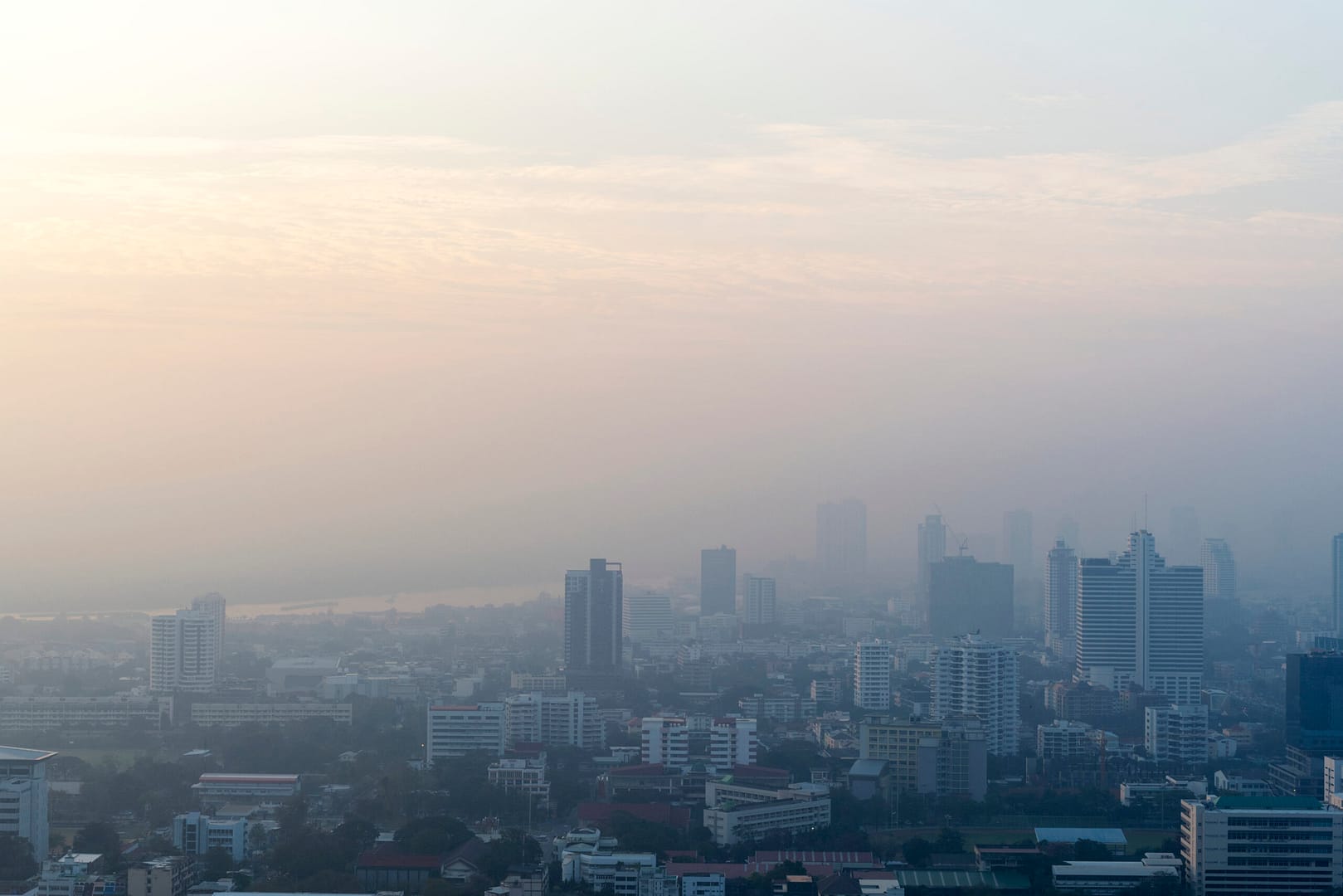
Introduction: Why Children & Seniors Suffer the Most in Delhi’s Smog
Every year, Delhi’s smog crisis intensifies after Diwali, during winter months, and whenever air pollution peaks due to stubble burning and low wind speed. While everyone is affected, children and elderly adults face the highest health risks.
Their lungs are either still developing (in children) or naturally weakened due to age (in seniors), making them more vulnerable to respiratory diseases, infections, asthma attacks, and chronic breathing problems.
If you’re worried about your child or an elderly family member’s breathing issues during Delhi’s worsening AQI, this guide will help you understand symptoms, prevention, and when to consult the best pulmonologist in South Delhi or a pediatric pulmonologist in Delhi.
Why Children Are at Higher Risk During Smog
Children inhale more air per kilogram of body weight compared to adults. Their immunity is still developing, so pollutants easily trigger:
- Frequent coughing
- Allergies
- Runny nose
- Chest tightness
- Asthma flare-ups
- Lung infections
Long-term exposure can even affect lung development. Parents must stay alert to early signs of respiratory distress.
Why Seniors Struggle More in Polluted Air
Elderly individuals often have pre-existing conditions that worsens because of smog:
- COPD
- Asthma
- Bronchitis
- Pneumonia
- Heart disease
- Reduced lung capacity
Air pollution inflames their airways, reduces oxygen intake, and increases hospitalization risk. That’s why senior lung care in Delhi becomes crucial during high AQI days.
1. Monitor Air Quality Daily (Essential Step)
Before stepping outdoors, always check AQI levels using:
- SAFAR app
- AQI India
- Google weather
- Central Pollution Control Board (CPCB) website
Safe zones:
- AQI below 100: Relatively safe
- AQI 100–200: Limit outdoor play for kids
- AQI 200–400: High risk; masks required
- AQI 400+: Stay indoors
2. Keep Children Indoors When AQI is High
Avoid outdoor physical activities when AQI crosses 200.
Choose indoor alternatives:
- Indoor games
- Chess, puzzles
- Yoga for kids
- Indoor sports like badminton
If your child has asthma, smog can cause severe attacks. If symptoms worsen, visit a pediatric pulmonologist in Delhi immediately.
3. Protect Seniors from Outdoor Exposure
For elderly individuals, even AQI above 150 can cause issues.
Advise seniors to:
- Avoid morning walks during smog season
- Wear an N95/KN95 mask outdoors
- Avoid going out during peak traffic hours
Encourage indoor exercises like breathing yoga, stretching, and light movement.
4. Use the Right Mask (N95 Only)
Surgical masks or cloth masks DO NOT protect from PM2.5 or PM10.
Recommended masks:
- N95
- KN95
- N99 (for high-risk patients)
Ensure a snug fit for children, as adult masks don’t work effectively for small faces.
5. Improving Indoor Air Quality at Home
Delhi smog often seeps indoors, so the air inside can be nearly as harmful as outside.
Use these steps to purify indoor air:
✔ Air Purifiers
Choose purifiers with:
- HEPA filters
- Activated carbon filters
✔ Houseplants
While not a replacement for purifiers, plants like areca palm or aloe vera improve freshness.
✔ Keep windows closed
Especially early morning and late evening when pollution peaks.
✔ Regular Dusting & Cleaning
Children crawl and seniors spend more time at home, so cleanliness matters.
6. Steam Inhalation & Hydration
This helps both children and seniors:
- Reduces throat irritation
- Clears mucus
- Soothes airways
- Prevents infections
Warm soups, herbal teas, and plenty of water help flush toxins.
7. Strengthen the Lungs With Breathing Exercises
Exercises recommended by specialists:
- Pursed-lip breathing
- Deep belly breathing
- Anulom Vilom pranayama
- Balloon blowing for kids
A senior lung care Delhi specialist can provide personalized exercises for elderly individuals with weak lungs.
8. Maintain Asthma & COPD Medication Routines
During smog season, asthma and COPD flare-ups become common.
Follow these steps:
- Never skip inhalers
- Keep rescue inhalers handy
- Follow dosage exactly
- Get inhaler technique checked by a pulmonologist
If breathing issues worsen, consult the best pulmonologist in South Delhi immediately.
9. Recognize Early Warning Signs in Kids & Seniors
Seek medical help if you notice:
In Children:
- Fast breathing
- Tight chest
- Persistent nighttime cough
- Wheezing
- Fatigue
- Blue lips (danger sign)
In Seniors:
- Shortness of breath
- Chest heaviness
- Chronic cough
- Difficulty sleeping
- Confusion or fatigue
- Swelling in ankles (in COPD patients)
If symptoms persist, searching for pulmonologist doctor near me and visiting a specialist quickly is essential.
10. Boost Immunity Naturally
Simple additions to daily diet:
- Turmeric milk
- Ginger and honey
- Vitamin C foods (guava, citrus fruits)
- Omega-3 foods (flaxseed, walnuts)
- Home-cooked warm meals
Avoid packaged or fried foods that weaken immunity.
When to See a Pediatric Pulmonologist or Senior Lung Specialist
Book an appointment if your child or elderly family member experiences:
- Repeated wheezing
- Constant coughing
- Breathlessness
- Sleep disturbances
- Recurrent infections
- No improvement with home remedies
A respiratory disease specialist Delhi can diagnose asthma, allergies, bronchitis, COPD, or lung infections early.
Preventive Measures for Long-Term Lung Health
✔ Install indoor HEPA filters
✔ Keep seniors away from incense, candles, and mosquito coils
✔ Ensure flu and pneumonia vaccinations
✔ Avoid smoking inside the home
✔ Use steam regularly
✔ Maintain good nutrition
Conclusion
Protecting children and seniors from Delhi’s severe air pollution requires awareness and early action. They are the most vulnerable group, and even slight negligence can trigger major respiratory problems.
If breathing difficulties persist, don’t wait. Visit a specialist. Consulting the best pulmonologist in South Delhi, a pediatric pulmonologist in Delhi, or a senior lung care Delhi specialist can prevent complications and ensure long-term respiratory health.
FAQs-How to Help Children and Seniors Breathe Easy in Delhi’s Smog
- 1. Why are children more affected by Delhi’s smog?
Children breathe faster and inhale more air per kilogram of body weight. Their lungs and immunity are still developing, making them more vulnerable to pollutants, allergies, and asthma attacks.
- 2. How does air pollution affect senior citizens?
Seniors often have weaker lungs and pre-existing respiratory conditions like asthma, COPD, or bronchitis. Smog worsens breathlessness, cough, chest tightness, and increases infection risk.
- 3. What type of mask should children and seniors wear during smog?
Only N95 or KN95 masks offer adequate protection from PM2.5 and PM10. Cloth and surgical masks do NOT block harmful pollutants.
- 4. Should children play outdoors during high AQI days?
No. When AQI crosses 200, outdoor activities should be restricted. At AQI 300+, they should stay indoors and avoid any physical exertion outside.
- 5. How can I improve indoor air quality for kids and seniors?
Use a HEPA air purifier, keep windows closed during peak smog hours, maintain cleanliness, avoid incense/mosquito coils, and keep indoor plants to support freshness.
- 6. Can smog trigger asthma attacks in children?
Yes. Pollutants irritate airways and can trigger severe asthma flare-ups. If your child has asthma, consult a pediatric pulmonologist in Delhi for a preventive action plan.
- 7. How can seniors with COPD stay safe during smog season?
Seniors should avoid going outdoors, continue prescribed inhalers, keep rescue medication handy, perform breathing exercises, and consult a pulmonologist for COPD management.