
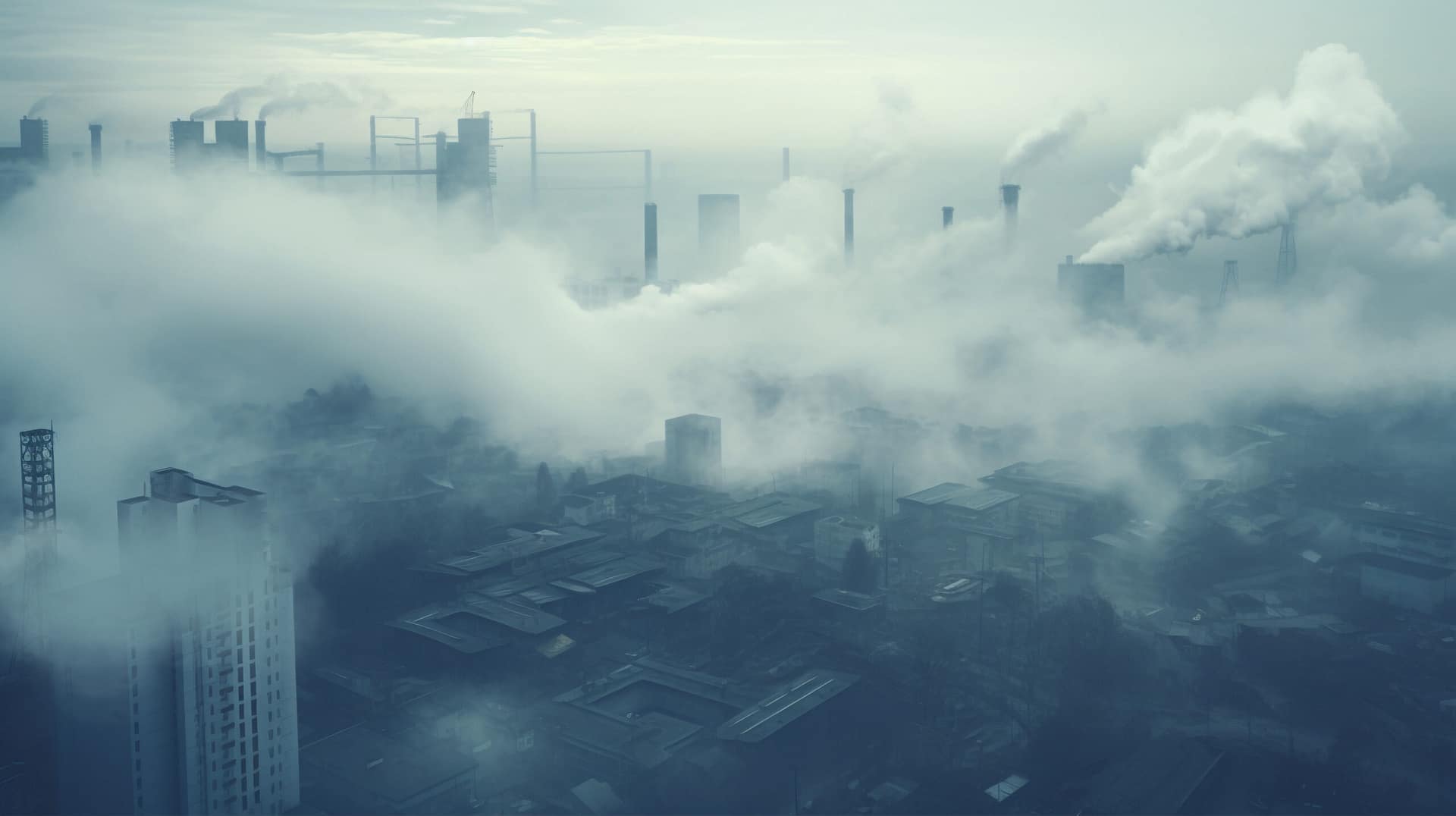
Every winter, Delhi transforms into a haze-covered city. The air becomes thick, visibility drops, and breathing feels heavy. Behind this fog lies a serious health threat — toxic air pollution. With the Air Quality Index (AQI) often soaring beyond 400, Delhi’s air is categorized as severe, meaning it’s hazardous to everyone’s health.
For people with asthma, COPD, or other respiratory conditions, the risk is even greater. Prolonged exposure to poor air quality can lead to lung damage, infections, and long-term respiratory issues. This is where expert advice from the best pulmonologist in South Delhi becomes essential.
In this blog, we’ll break down how Delhi’s air pollution impacts your lungs — and share practical lung detox tips to help you stay healthy despite the city’s challenging air.
Understanding Delhi’s AQI Crisis
The Air Quality Index (AQI) measures pollution levels in the air. It’s a composite score derived from pollutants like PM2.5, PM10, nitrogen dioxide (NO₂), sulfur dioxide (SO₂), and carbon monoxide (CO).
Here’s what the numbers mean:
- 0–50: Good
- 51–100: Moderate
- 101–200: Unhealthy for sensitive groups
- 201–300: Poor
- 301–400: Very poor
- 401–500+: Severe / Hazardous
During winter and after Diwali, Delhi’s AQI often crosses 450–500, meaning the air is toxic even for healthy individuals. Such exposure can harm lung tissue, lower immunity, and increase hospital visits — especially for asthma and COPD patients.
How Toxic Air Affects Your Lungs
Polluted air doesn’t just cause temporary discomfort — it affects the lungs at a structural level. The fine particulate matter (PM2.5) is so small that it can travel deep into the lungs and even enter the bloodstream.
Common effects include:
- Airway inflammation and irritation
- Increased mucus production leading to cough and breathlessness
- Reduced oxygen absorption causing fatigue and chest pain
- Aggravation of asthma or COPD symptoms
- Long-term lung damage and reduced capacity
According to respiratory experts, people exposed to Delhi’s pollution for years show lung capacity similar to smokers — even if they’ve never touched a cigarette.
High-Risk Groups During Delhi’s Pollution Season
Certain individuals are more vulnerable to pollution-related respiratory issues:
- Children (developing lungs and higher breathing rates)
- Elderly (weakened immunity and chronic diseases)
- Asthma and COPD patients
- Pregnant women
- Outdoor workers (traffic police, vendors, delivery agents)
If you fall in any of these groups, you should take extra precautions and consult a respiratory disease specialist in Delhi for preventive guidance.
Signs That Pollution Is Harming Your Lungs
Watch out for these warning signs:
- Persistent dry cough or throat irritation
- Shortness of breath
- Chest tightness or discomfort
- Frequent colds or infections
- Fatigue or dizziness
If these symptoms last more than a week, it’s important to get a pulmonary function test (PFT) or consult a pulmonologist for evaluation.
Expert Lung Detox Tips for Delhi Residents
🫁 1. Limit Outdoor Exposure
Try to stay indoors, especially during early morning and late evening hours when pollution peaks. Use air quality apps like SAFAR or AQI India to track real-time data.
🌬️ 2. Use Air Purifiers
Install HEPA-based air purifiers in bedrooms and living spaces. Clean filters regularly for maximum efficiency.
☕ 3. Stay Hydrated
Drink plenty of water, herbal teas, and soups. Fluids help flush toxins and keep your respiratory tract moist, reducing irritation.
🍋 4. Eat Lung-Healthy Foods
Incorporate foods rich in antioxidants and vitamin C, such as:
- Turmeric and ginger
- Citrus fruits (oranges, lemons)
- Leafy greens (spinach, kale)
- Almonds and walnuts
These foods reduce inflammation and support lung repair.
🧘♀️ 5. Practice Breathing Exercises
Yoga-based exercises like Anulom Vilom, Kapalbhati, and Bhramari Pranayama improve oxygen intake and lung strength.
😷 6. Wear N95 or N99 Masks
When stepping outdoors, wear a mask that filters PM2.5 particles. Surgical or cloth masks offer limited protection.
🏠 7. Maintain Clean Indoor Air
Keep doors and windows closed during high pollution hours. Use indoor plants like snake plant, peace lily, and areca palm, which naturally purify air.
🩺 8. Schedule Regular Checkups
If you experience breathing difficulties, don’t ignore them. Book an appointment with the best pulmonologist in South Delhi for an evaluation and preventive care.
What Pulmonologists Recommend During AQI Spikes
According to top respiratory experts, early intervention is key. Here’s what pulmonologists usually recommend during severe pollution periods:
- Keep inhalers and prescribed medications handy
- Avoid strenuous outdoor activities
- Get your annual flu and pneumonia vaccinations
- Opt for steam inhalation to relieve airway inflammation
- Use a nebulizer if prescribed for chronic conditions
Dr. Dixit Thakur, one of the best pulmonologists in South Delhi, emphasizes:
“Lungs are not designed to filter such high pollution levels. Even short-term exposure can cause lasting harm. Protect your lungs proactively — prevention is far easier than cure.”
When to See a Respiratory Disease Specialist
Consult a respiratory disease specialist in Delhi if you experience:
- Continuous cough or wheezing
- Difficulty breathing at rest
- Recurrent chest infections
- Poor response to usual inhalers
- Chest pain or tightness
The specialist may conduct tests like spirometry, chest X-ray, or CT scans to assess lung function and create a tailored treatment plan.
How Pulmonologists Help You Breathe Better
A pulmonologist doesn’t just treat diseases — they help prevent them. They can guide you on:
- Identifying personal pollution triggers
- Adjusting inhaler dosage
- Preventive therapies for asthma or COPD
- Long-term lung health strategies
At Pulmo Vista Clinics, patients receive complete care including advanced diagnostics, treatment plans, and lung detox guidance, helping them live healthier lives despite Delhi’s challenging air.
Conclusion: You Can’t Change Delhi’s Air, But You Can Protect Your Lungs
Delhi’s toxic air isn’t going away soon — but with the right awareness and medical support, you can protect yourself and your loved ones. Prioritize your respiratory health, follow the above lung detox tips, and consult experts when needed.
Your lungs deserve the best care. Breathe easier this season with help from the best pulmonologist in South Delhi and a trusted respiratory disease specialist in Delhi.
FAQ - Breathing in Delhi’s Air — A Daily Health Battle
- Q1. How does Delhi’s AQI affect lung health?
High AQI exposes lungs to harmful particles like PM2.5, which cause inflammation, asthma attacks, and long-term damage.
- Q2. Can air purifiers really help improve indoor air quality?
Yes, HEPA-based purifiers can remove up to 99% of fine pollutants from indoor air, significantly improving respiratory comfort.
- Q3. What’s the best way to detox lungs naturally?
Hydration, antioxidants (turmeric, lemon, ginger), breathing exercises, and avoiding smoke are the best lung detox tips.
- Q4. When should I see a pulmonologist?
If you have persistent cough, wheezing, or breathlessness lasting more than a week, consult a respiratory disease specialist in Delhi.
- Q5. Is Delhi’s air safe with a mask?
Wearing an N95 or N99 mask offers partial protection outdoors, but minimizing exposure and staying indoors remain the safest options.