
Introduction
The festival of Diwali brings joy, lights, and togetherness — but also a dark side that affects millions across Delhi: severe air pollution.
Every year, after the celebrations fade, the air becomes thick with smog, firecracker residue, and harmful particulate matter (PM2.5 and PM10). This toxic air doesn’t just irritate your eyes and throat — it directly impacts your lungs, breathing, and immunity.
For individuals with asthma or chronic respiratory diseases, post-Diwali air can be particularly dangerous. If you find yourself coughing more, feeling breathless, or experiencing wheezing after the festival, it’s time to consult an expert offering the best asthma treatment in Delhi.
Let’s understand how post-Diwali pollution affects your lungs — and what you can do to recover effectively.
1. Why Post-Diwali Air is So Harmful
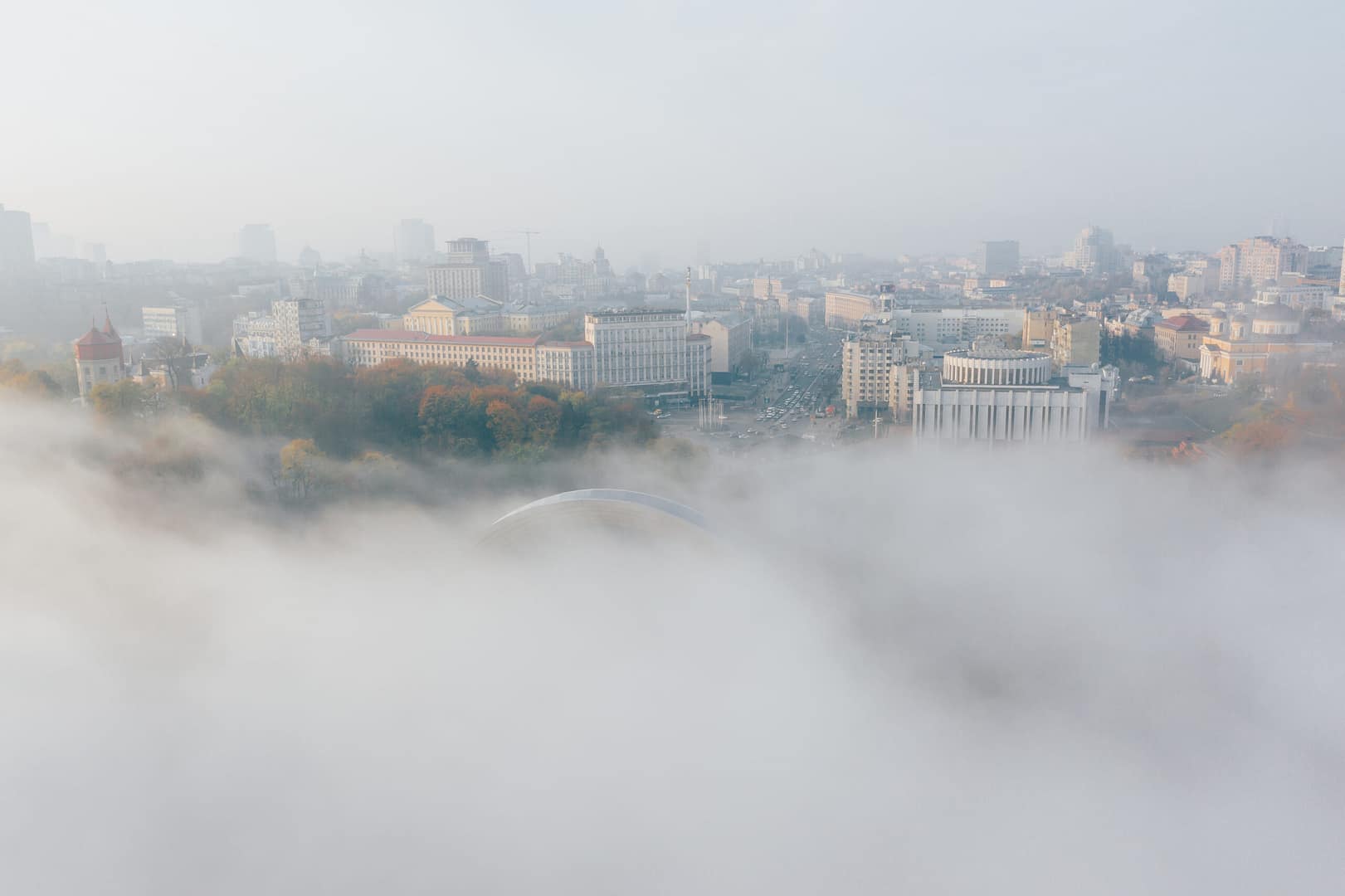
After Diwali, the combination of firecracker smoke, dust, and weather conditions creates a dense layer of smog that can linger for weeks.
Key pollutants include:
- PM2.5 and PM10: Fine particles that penetrate deep into the lungs and bloodstream.
- Sulphur dioxide and nitrogen oxides: Released from firecrackers, leading to inflammation in the airways.
- Carbon monoxide: Reduces oxygen delivery to vital organs.
- Heavy metals: Toxic residues like lead and cadmium worsen respiratory symptoms.
With low wind speed and temperature drops, pollutants stay trapped in the air, making Delhi’s AQI (Air Quality Index) reach “severe” levels.
Even healthy people may feel breathless — and for asthma patients, the effects can be far more serious.
2. How Smog Impacts Your Lungs
When you inhale polluted air, tiny particles enter your airways and alveoli (air sacs). Over time, these particles:
- Cause inflammation and irritation of bronchial tubes
- Increase mucus production, leading to coughing
- Reduce oxygen absorption in the lungs
- Trigger asthma attacks or bronchospasms
People with pre-existing respiratory issues, like asthma, bronchitis, or COPD, are more vulnerable to post-Diwali air.
Common symptoms during post-Diwali weeks include:
- Persistent cough
- Wheezing or chest tightness
- Shortness of breath
- Sore throat
- Fatigue or dizziness
If these symptoms persist, it’s essential to seek the best asthma treatment in Delhi and avoid self-medication.
3. Asthma and Post-Diwali Pollution
For people with asthma, air pollution acts as a powerful trigger.
Pollutants inflame the airways, making them sensitive and narrow, leading to difficulty in breathing and coughing fits.
According to pulmonology experts, many patients experience a spike in asthma emergencies immediately after Diwali due to:
- Exposure to smoke and dust
- Skipping preventive inhalers
- Outdoor celebrations without masks
- Neglecting early symptoms
Dr. Dixit Thakur, recognized for providing the best asthma treatment in Delhi, recommends timely diagnosis and personalized medication adjustment during pollution spikes.
4. How to Recover Your Lungs After Diwali
Even though you can’t control the air outside, you can still take proactive steps to detoxify and strengthen your lungs.
🔹 Step 1: Limit Outdoor Exposure
- Avoid morning walks when pollution is highest.
- Always wear an N95 or N99 mask when stepping outside.
- Use mobile AQI apps to monitor pollution levels before going out.
🔹 Step 2: Purify Indoor Air
- Keep windows closed during high-smog days.
- Use HEPA air purifiers indoors.
- Grow air-purifying plants like aloe vera, snake plant, and peace lily.
- Vacuum regularly to remove dust and allergens.
🔹 Step 3: Practice Lung Detox
Simple lifestyle habits can help cleanse your lungs naturally.
- Steam inhalation twice a day to loosen mucus.
- Stay hydrated — water helps flush out toxins.
- Eat antioxidant-rich foods like turmeric, ginger, spinach, and berries.
- Practice breathing exercises (Pranayama, diaphragmatic breathing) to improve lung capacity.
If you have asthma or chronic cough, consult a pulmonologist for safe and effective lung detox plans tailored to your condition.
5. Medical Management and Asthma Care
If pollution has worsened your breathing or asthma symptoms, timely medical care is crucial.
A pulmonologist may recommend:
- Inhaled corticosteroids to reduce inflammation.
- Bronchodilators to open the airways.
- Anti-allergic medications to prevent respiratory irritation.
- Nebulization therapy during severe attacks.
- Spirometry and lung function tests to assess damage.
At Care Hospital, patients receive customized plans under Dr. Dixit Thakur, known for the best asthma treatment in Delhi, ensuring safe and effective recovery post-pollution exposure.
6. Strengthen Your Immunity Naturally
Pollution not only affects your lungs but also weakens your immune system.
Enhance your body’s defense with:
- Vitamin C and D-rich foods (or supplements)
- Probiotics for gut health
- Adequate sleep and hydration
- Avoiding processed foods, alcohol, and smoking
These small changes help your lungs repair faster and make your respiratory system more resilient.
7. Long-Term Lung Care Tips
To prevent post-Diwali breathing issues from recurring every year, try incorporating these practices into your lifestyle:
- Get regular lung check-ups from a qualified pulmonologist doctor near you.
- Schedule annual spirometry tests if you have asthma or allergies.
- Stay updated with your asthma action plan.
- Avoid incense, mosquito coils, and scented candles that worsen indoor air.
- Use nasal saline rinses to clear pollutants from your nasal passages.
Remember — prevention is always better than treatment, especially when it comes to your lungs.
8. When to See a Pulmonologist
If you’re experiencing any of the following symptoms post-Diwali, do not delay medical attention:
- Persistent cough for more than 2 weeks
- Wheezing or shortness of breath
- Chest tightness or discomfort
- Unusual fatigue
- Recurring throat infections
Early diagnosis can prevent severe lung complications and ensure faster recovery with the best asthma treatment in Delhi.
9. Why Choose Dr. Dixit Thakur
Dr. Dixit Thakur, one of the leading pulmonologists in Delhi, specializes in asthma, sleep apnea, and critical care respiratory treatments.
At Care Hospital, patients benefit from:
- Advanced lung diagnostics (spirometry, allergy testing, sleep studies)
- Personalized asthma and pollution management plans
- 24/7 emergency respiratory support
- Preventive care for children, adults, and seniors
With years of experience, Dr. Thakur has helped countless patients manage asthma and recover from post-Diwali pollution effects safely and effectively.
Conclusion
While Diwali symbolizes light and renewal, it also brings an invisible threat — air pollution that can harm your lungs long after the festivities end.
By understanding how smog affects your body, taking preventive measures, and consulting experts for the best asthma treatment in Delhi, you can safeguard your respiratory health throughout the season.
Your lungs deserve a detox just as much as your home after Diwali — start today, breathe clean, and celebrate life with healthier lungs!
FAQs-Post-Diwali Smog and Your Lungs: How to Recover from Polluted Air
- Q1. Why do I feel breathless after Diwali?
Because of increased air pollution, especially PM2.5 and smoke particles, your airways get inflamed, making breathing difficult.
- Q2. How long does it take to recover from post-Diwali smog effects?
Most people recover within a few days with rest, hydration, and medication, but chronic patients may need medical supervision.
- Q3. Can air purifiers really help after Diwali?
Yes, high-efficiency HEPA purifiers can significantly reduce indoor pollution levels, improving air quality at home.
- Q4. When should I visit a pulmonologist?
If you experience continuous coughing, chest pain, or breathlessness for more than a few days, consult a pulmonologist doctor near you immediately.
- Q5. What’s the best asthma treatment in Delhi?
Personalized care including inhalers, pulmonary function testing, and environmental management by specialists like Dr. Dixit Thakur is considered among the best.